silver · news · market
Silver's 10% Weekly Drop Is Macro Noise — The Supply Math Hasn't Changed
Silver fell nearly 10% this week on Fed rate-hike fears, but its sixth consecutive annual supply deficit remains intact. Here's how to think about it.
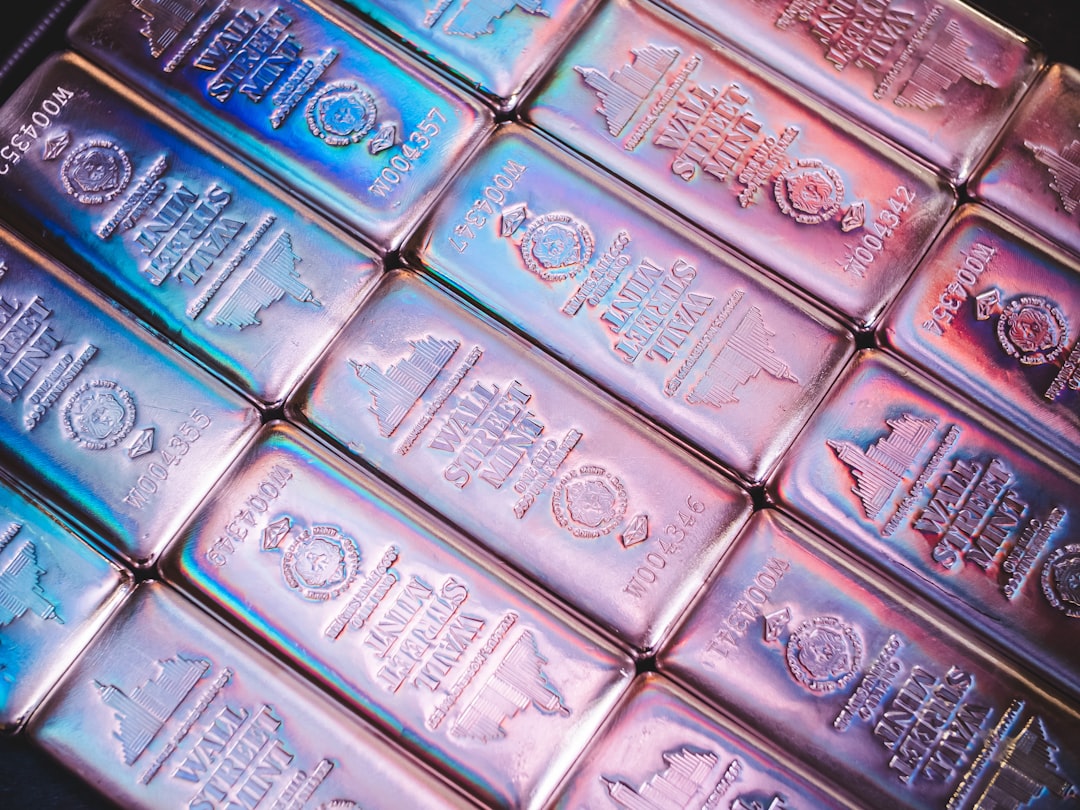
Silver fell to a seven-month low this week, briefly dipping below $60 per ounce for the first time since December. As of Friday, June 26, it’s trading near $58 — down roughly 10% in five trading days. Gold has fared somewhat better but still dropped about 5% for the week, touching the $4,000 level.
The cause is straightforward: the Federal Reserve spooked markets, and silver took the brunt of it.
The Fed Shift That Moved Markets
On June 17, new Fed Chair Kevin Warsh presided over his first FOMC meeting and delivered a notably hawkish message. Rates held at 3.50%–3.75%, but nine of the 18 policymakers now project at least one rate increase before year-end — all but one see rates flat or higher by December — and the Fed stripped its easing-bias language from the policy statement entirely. Warsh declined to submit a projection of his own.
Sell-side desks responded by trimming their gold targets, largely on the removal of expected 2026 rate cuts from their models.
When real yields look likely to rise, the monetary case for holding precious metals weakens — and the paper market reprices fast.
Why Silver Falls Harder (and Recovers Faster)
Silver dropped harder than gold this week because it runs on two separate engines at once. The first is monetary: silver tracks gold, real yields, and dollar direction. When the Fed turns hawkish, this engine stalls. The second is industrial: solar panels, EV components, semiconductors, and AI data center infrastructure all require silver — and that demand doesn’t care what the Fed does.
This dual nature is why silver tends to fall harder than gold on hawkish days. It also means silver tends to recover faster when the macro headwind reverses.
Crucially, the industrial picture has not changed this week. The Silver Institute’s World Silver Survey 2026 projects the market will record its sixth consecutive annual supply deficit — a shortfall of 46.3 million ounces, wider than the 40.3 Moz deficit in 2025. Since 2021, above-ground silver stockpiles have been drawn down by an estimated 762 million troy ounces. New mine supply takes five to ten years to bring online, which means the structural tightness is likely to persist.
What This Means for Stackers
This week’s drop is driven by sentiment around rate expectations — not by any change in silver’s physical supply-demand picture. The deficit is still widening. Industrial demand is still growing. The mine supply pipeline is still constrained.
For regular stackers who dollar-cost average into physical silver, a 10% price dip is simply a lower entry point on the same fundamental story. If anything, a June purchase at $58 is more attractive than a May purchase at $65.
The rate-hike fear may be real — and it may push silver lower for another few weeks if the macro narrative firms up. But the sixth consecutive year of supply deficits doesn’t disappear because bond markets are nervous. Stack accordingly.
Sources
- US Federal Reserve holds rates steady under new chair Warsh — Al Jazeera
- Global Silver Investment to Remain Strong in 2026 Against the Backdrop of a Sixth Consecutive Annual Market Deficit — The Silver Institute
- Silver Institute: Sustained Supply Deficit Exposes Market to Squeezes — Investing News Network