silver · gold · news
Silver Takes the Fed's Punch: What Rate Hike Fears Mean for Your Stack
Fed rate hike expectations hit silver harder than gold this week — but China's physical demand and ETF inflows tell a more complicated story.
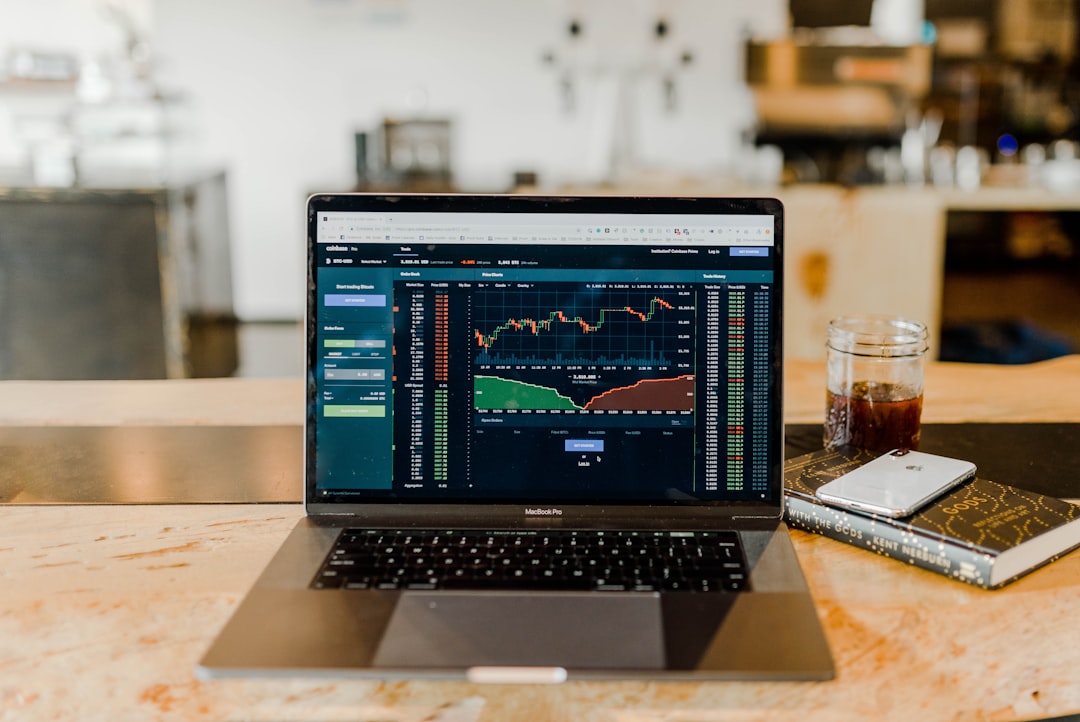
Silver dropped to $57.04 an ounce on Thursday, its lowest level since last November, while gold rebounded above $4,000 after dipping below that closely-watched level earlier in the week. The culprit in both cases: a sudden surge in Federal Reserve rate hike expectations that caught markets off guard.
Why the Metals Are Under Pressure
Kevin Warsh’s first FOMC meeting on June 17 left rates unchanged at 3.50%–3.75%, but the projections did the talking: nine of eighteen participants now pencil in at least one hike this year, and all but one see rates flat or higher by December. The committee stripped its easing language out of the statement entirely.
When rate hike expectations rise, the dollar strengthens and real yields climb. That’s a direct headwind for metals that pay no yield. Both gold and silver got hit, but silver fell harder — as it usually does.
Why Silver Is Getting Hit Harder
That gap between silver and gold isn’t random. Silver sits at the intersection of two demand stories: industrial use and monetary value. When real yields rise, the monetary premium — the portion of silver’s price that reflects investor demand for a non-yielding asset — compresses faster than gold’s.
Silver’s industrial floor stays intact regardless of what the Fed does. Factories still need silver for electronics, solar panels, and electric vehicles. But the monetary premium on top of that floor is sensitive to rate expectations. That’s the part being repriced right now.
Gold, with a larger share of its demand coming from central banks, long-term holders, and de-dollarization flows, is holding up relatively better — which is exactly what you’d expect to see.
What the Physical Market Is Saying
Here’s where the picture gets more interesting for anyone buying physical metal.
China imported 163 tonnes of gold in May — the highest monthly figure since March 2024. Through the first five months of the year, its bullion imports are up 76% on 2025, roughly 692 tonnes. Physical demand from the world’s largest gold consumer is quietly accelerating, even as paper trading drives near-term prices lower.
This divergence between paper selling and physical buying is a pattern stackers should recognize. The short-term price is being set by futures traders adjusting to rate expectations. The longer-term picture is being shaped by central banks and institutional buyers adding tonnage on weakness.
What This Means for Stackers
If you buy gold and silver on a regular schedule, this week is a reminder of why that schedule matters. Rate-hike fears are a legitimate short-term headwind — but the Fed’s path is never as certain as the market thinks it is in any given week, and metals have historically recovered once rate cycles peak.
At roughly $57 per ounce, silver is trading at levels that felt like a bargain not long ago. For anyone adding to their stack this week, you’re acquiring ounces at prices that reflect paper-market fear, not physical-market fundamentals.
Keep buying on schedule. Don’t try to time the Fed.