
silver · market · investing
Solar Cut Its Silver Use by 19% — and the Shortage Got Worse Anyway
Solar manufacturers just posted the biggest silver thrifting drop on record, yet the 2026 supply deficit widened to 46.3 million ounces. Here's why.
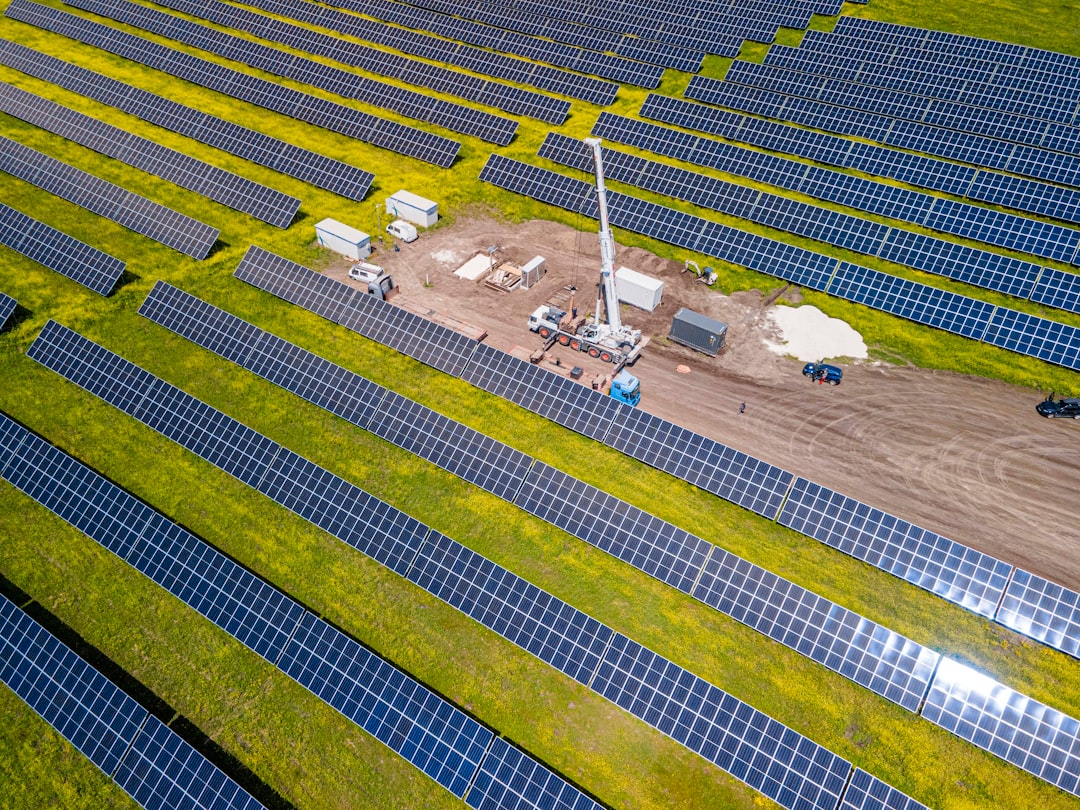
Solar panel makers just did something the silver bulls should have hated: they cut silver consumption by 19% in a single year. Demand from photovoltaics dropped from 186.6 million ounces in 2025 to about 151 million ounces in 2026 — the largest one-year reduction on record. And the silver deficit still got bigger.
That’s not a typo. That’s the whole story.
The Industry Tried to Engineer Its Way Out
Silver spent 2025 consolidating in the high $20s to low $30s, then tripled off its July 2025 low to a record $121.64 in January. Silver paste is a meaningful share of the cost of a solar cell, so manufacturers did what rational companies do when an input gets that expensive: they used less of it. Thinner paste layers, tighter printing tolerances, more efficient cell designs. Chinese giants like Longi and Jinko started shifting toward copper-based metallization, the industry’s long-promised escape hatch from silver dependency.
This is the free market working exactly as advertised. Price goes up, industry innovates around the cost, demand should ease, deficit should shrink. That’s Econ 101. Except nobody told the supply side.
The Number Nobody’s Talking About
The 2026 deficit came in at 46.3 million ounces, up from 40.3 million the year before. Sixth straight year in the red. Total drawdown from above-ground stockpiles since 2021: 762 million ounces — gone, consumed, not coming back without a price high enough to drag more out of vaults and jewelry boxes.
Why didn’t the thrifting help? Because supply contracted at the same time, by roughly the same 2%. Here’s the part people miss: three-quarters of the world’s silver isn’t mined for silver. It’s a byproduct of copper, lead, and zinc mining. Miners don’t say “silver’s expensive, let’s dig more” — they dig for copper, and silver shows up or it doesn’t. You can’t summon a byproduct on demand. I’ve made this mistake in my own portfolio thinking — assuming supply behaves like a normal business responding to price. It doesn’t. It behaves like a vending machine that’s already out of your favorite snack.
So the one lever that was supposed to rebalance this market — demand destruction through substitution — actually happened, at scale, faster than anyone forecast, and the deficit still widened. That should terrify anyone counting on efficiency gains to fix the silver market. It’s not a demand problem. It’s a supply problem, and supply problems in mining take a decade to solve, not a fiscal quarter.
What This Means for Stackers
Copper substitution in the dominant cell architecture isn’t even fully reliable yet — mass adoption is estimated for 2028 to 2030, assuming manufacturers solve corrosion and diffusion issues that have dogged copper contacts for years. So the bear case — “solar will just stop needing silver” — was always more theory than timeline. And even the fastest, most aggressive thrifting effort on record couldn’t outrun a supply chain that answers to copper and zinc prices, not silver’s.
Six consecutive years of deficits and three-quarters of a billion ounces drained from stockpiles is not a cycle. It’s a structural feature of this market. Keep buying on your schedule, ignore the headlines that say solar demand is “collapsing,” and remember: the bear case needed the industry to solve its silver problem. It tried. It couldn’t.