gold · silver · market
Peace Broke Out in the Middle East. Gold Went Up Anyway.
A Hormuz deal should have killed gold's fear premium. Instead gold climbed toward $4,200, because the real driver was never fear — it's the Fed.
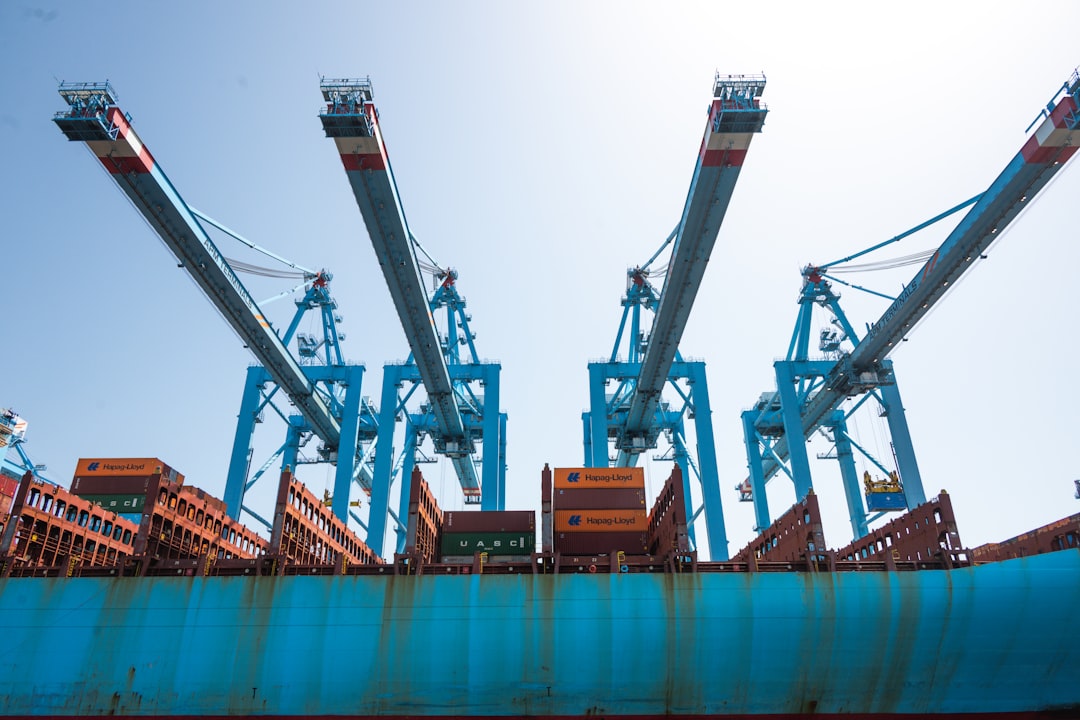
Trump said Wednesday a deal to reopen the Strait of Hormuz could land any day now. Textbook gold-bear news — a war easing off should drain the fear premium and send safe-haven money packing. Gold did the opposite. It climbed toward $4,200, with silver right behind it near $62. Something in the gold-as-fear-trade story is broken, and it’s worth understanding why, because it’s not the story most people are telling you.
The Chain Nobody Draws for You
Here’s the actual mechanism, and it has nothing to do with fear. A Hormuz deal means oil keeps flowing through the world’s most important chokepoint. More oil flowing means cheaper oil. Cheaper oil means less energy-driven inflation. Less inflation means the Fed has less reason to hike, and markets trimmed their September hike odds on this news alone. Lower rate-hike odds mean lower real yields. Lower real yields mean the opportunity cost of holding a zero-yield asset like gold drops. That’s five steps, and not one of them is “investors are scared.”
This is the thing about gold that a decade of “safe haven” headlines obscures: it’s mostly a bet on the Fed and the dollar, dressed up in a war-premium costume whenever there’s a war to point to. Take away the war and the actual driver — real interest rates — is still sitting right there doing the work. Gold and oil have spent much of this year pulling against each other. That’s not fear. That’s a rates trade wearing a helmet.
Silver Isn’t Even Watching the News
While gold is having its rates-and-Fed moment, silver is running an entirely separate plot. It’s sitting near $60-62 an ounce, and the number that matters isn’t the headline price — it’s the deficit. The silver market has now run a supply shortfall for six straight years, with 2026’s gap forecast at 46.3 million ounces, wider than 2025’s 40.3 million. Industrial demand — solar panels, EVs, data centers, the electrical guts of everything getting built right now — is running at 657.4 million ounces this year, roughly 59% of total demand.
Solar alone will take about 151 million ounces, even after cutting its silver use 19% in a single year. You can end every war on the planet tomorrow and none of that demand goes away, because nobody’s ripping silver back out of a panel that’s already bolted to a roof. That’s why silver mostly shrugged through this week’s Hormuz headlines while gold whipsawed on every Trump post. Two metals, same case, completely different engines.
The Bottom Line
Stop grading gold’s moves against the news cycle — grade it against what the Fed is likely to do with rates, because that’s the actual lever. Stop grading silver against gold’s mood entirely — it’s running on an industrial supply deficit that a peace deal can’t fix and a war can’t worsen. If you’re on a recurring buy schedule for both metals, this week changes nothing about the plan. It just tells you which newspaper section to stop reading for signal.
Sources
- Global Silver Investment to Remain Strong in 2026 Against the Backdrop of a Sixth Consecutive Annual Market Deficit — The Silver Institute
- Silver Institute: Sustained Supply Deficit Exposes Market to Squeezes — Investing News Network
- Silver Demand Forecast to Drop 19% in 2026 on Lower Solar Cell Loadings — Mercom India