gold · silver · news
The Hormuz 'Deal' Markets Are Celebrating Isn't a Deal. It's a Toll Fight.
Iran wants 5-7% of every cargo's value to reopen the Strait of Hormuz. Shipping insiders say the deal can't actually work. Gold priced in peace anyway.
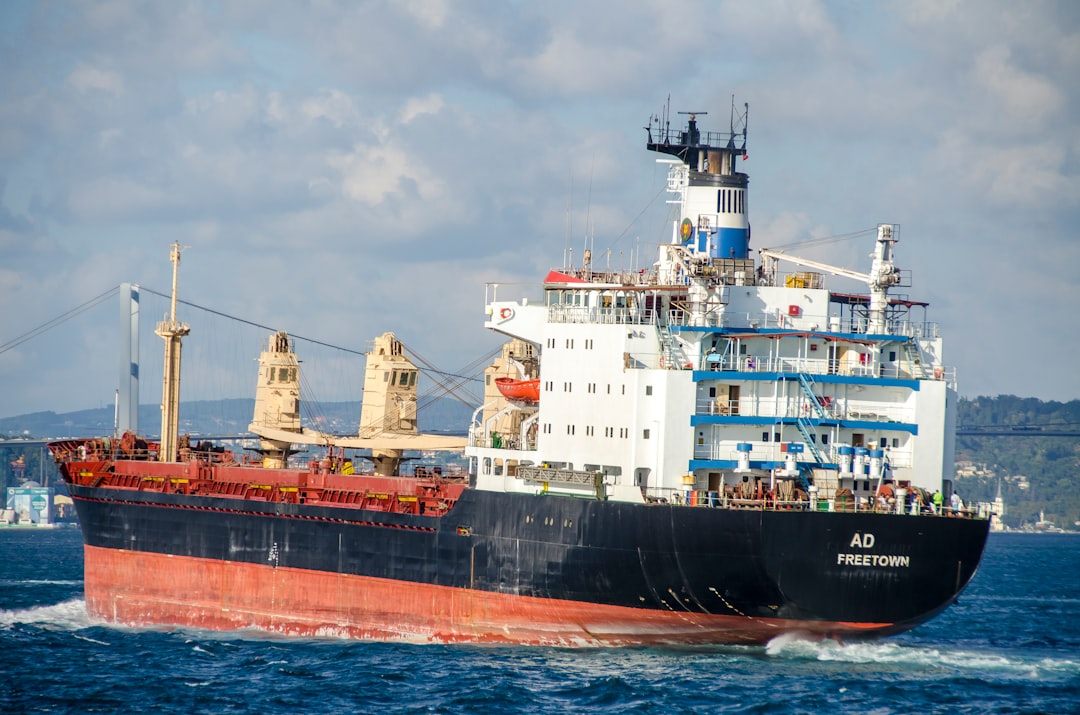
Iran wants 5 to 7% of the value of every cargo that passes through the Strait of Hormuz. Oman’s counteroffer is 3%. Washington’s position is zero. Nobody has agreed on a number, and shipping industry sources are calling the whole structure unworkable — yet gold and oil have spent the last week trading like this thing is basically done. That gap between the headline and the fine print is the story.
The Toll Booth Nobody Priced In
Here’s what’s actually on the table. Iran would let ships enter the Persian Gulf through its own waters, with Oman granting exit clearance on the way out. In exchange, Tehran wants a cut — 5 to 7% of cargo value, according to a senior Iranian official cited by Reuters. Run that math on pre-conflict shipping volumes and a 7% toll works out to roughly $385 million a day, north of $100 billion a year, per Business Today’s calculation. A single fully loaded supertanker carrying two million barrels would owe Iran about $11 million just to pass through.
Treasury Secretary Scott Bessent has publicly insisted the U.S. position is “freedom of movement” — no tolls, full stop, consistent with international law governing straits. That’s not a rounding error away from Iran’s ask. That’s two sides that haven’t actually agreed on the thing everyone’s celebrating.
Why the Shipping Industry Says It Can’t Work Even If Iran Says Yes
This is the part that got buried under the price-action headlines. Reporting from Insurance Journal on August 7th cites four industry sources saying the fee structure is “not easily workable” for reasons that have nothing to do with negotiating leverage.
First: the entity Iran set up in May to operate the toll, the Persian Gulf Strait Authority, is already under U.S. sanctions. Any shipping company that pays a fee to a sanctioned entity risks having its own assets frozen under U.S. sanctions law. Second: Lloyd’s Market Association added a clause in late July barring war-risk insurers from covering any vessel that pays a passage fee. So a shipowner who pays Iran’s toll to get insurance-grade safe passage may, by paying it, void the insurance that made the passage worth taking. One source called it a catch-22. Major maritime associations have gone further, calling the proposed fee “a toll in all but name” that would set a precedent undermining the legal framework for straits used in international transit.
That’s not a footnote. That’s the deal not actually existing yet in any form a real shipping company could use.
What This Means for Gold and Silver
Go back and look at why gold and silver have been climbing. Part of it — a real part — has been optimism that Hormuz reopening drains the war premium out of oil, which cools inflation fears, which lowers the odds the Fed has to hike. Oil already dropped from over $100 a barrel to below $80 on exactly that optimism, and gold has ridden the same wave, trading near $4,260 earlier this week as the deal progress narrative built.
Markets are forward-pricing a resolution that, as of this weekend, is a percentage-point argument between three parties who haven’t agreed on a number, wrapped in a sanctions-and-insurance knot that industry insiders say makes the current proposal dead on arrival. That doesn’t mean the war premium comes roaring back Monday. It means the premium currently priced out of oil — and by extension, priced into gold’s recent calm — is resting on a headline, not a signed agreement.
The Bottom Line
I’m not telling you gold is about to spike or that oil is about to rip back above $100. Nobody knows which way a toll negotiation between Tehran, Muscat, and Washington breaks, and anyone who tells you they do is guessing. What I’d watch is simple: if this fee dispute drags into September without resolution, or if a shipping company actually tries to pay the toll and gets its assets frozen, the “de-risking” trade that’s helped cap gold’s advance unwinds fast. The strait isn’t reopened. It’s being negotiated in public, one leaked percentage point at a time. Keep buying on your schedule — but don’t mistake this week’s optimism for a done deal, because it isn’t one.
This is not financial advice.
Sources
- Iran, Oman discussing transit fee of 3% to 7% for Strait of Hormuz — Reuters — Reuters (via TASS)
- Proposed Hormuz Passage Deal Not Feasible for Shipping Industry, Sources Say — Insurance Journal
- Hormuz power play: Iran's proposed 7% shipping toll could unlock $100 billion a year — Business Today
- Strait talk: U.S. and regional partners see progress toward reopening Hormuz chokepoint — Washington Times