gold · silver · news
Gold Fell the Day Tankers Got Hit in the Strait of Hormuz. Let That Sink In.
The U.S. struck Iran, two tankers got hit in the Strait of Hormuz, and gold went down. Silver slipped below $60. Here's why 'safe haven' isn't what you think it is.
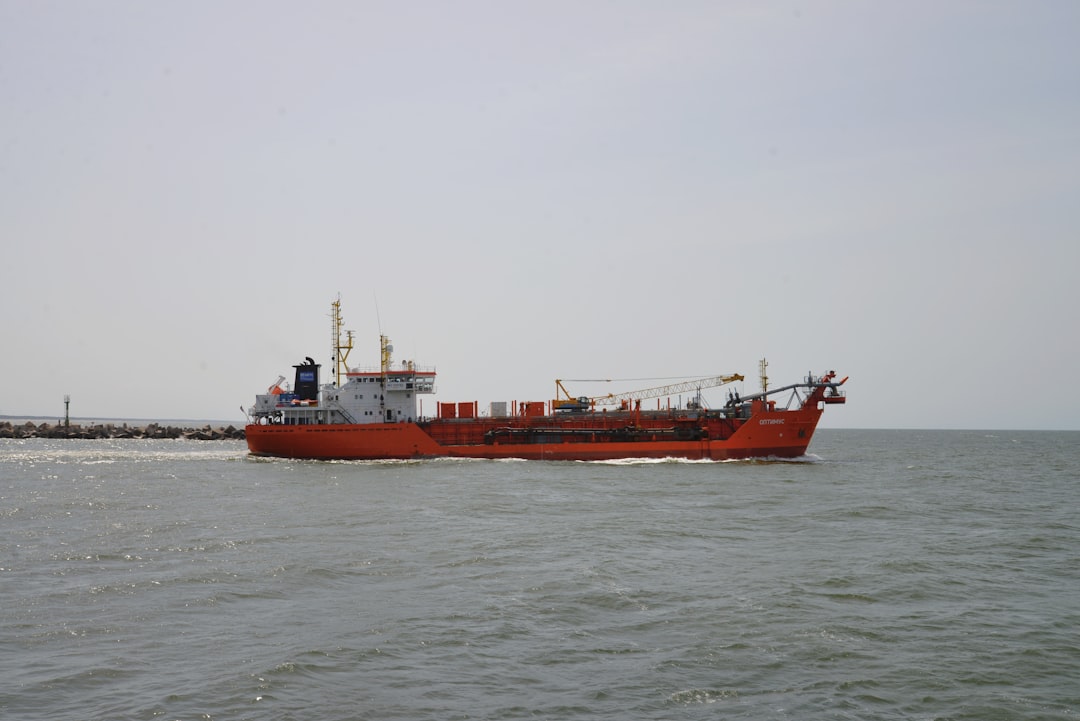
Two tankers got hit in the Strait of Hormuz this week. The U.S. launched fresh airstrikes on Iran. Brent crude popped over 5% in after-hours trading. And gold? Gold went down — spot sat around $4,076 on Wednesday morning, off from $4,168 the day before. Silver did worse, slipping below $60 for the first time in weeks after dropping more than 3% in a single session.
If you learned your precious metals thesis from a YouTube thumbnail, this makes no sense. War breaks out near 20% of the world’s oil trade, and the “safe haven” asset sells off? That’s not a glitch. That’s the whole game, and most people buying gold don’t understand it.
Safe Haven Doesn’t Mean What You Think
Gold isn’t a fear button. It’s an inflation and confidence hedge, and those two things pull in different directions depending on what’s actually breaking. When a crisis threatens the financial system — a bank run, a currency collapse, a sovereign default — gold rips, because investors are fleeing paper promises. When a crisis threatens energy supply, it’s a different animal entirely.
An attack on the Strait of Hormuz doesn’t scare capital out of dollars. It scares capital into worrying the Fed has to hike again. Oil spikes, inflation expectations creep back up, and traders start pricing higher-for-longer rates — which raises the opportunity cost of holding a non-yielding asset like gold. That’s why gold eased even as tankers burned. The market isn’t confused. It’s doing exactly what it’s supposed to do, and it’s just not the story most stackers were told.
I made this mistake myself early on — assumed any headline with “war” in it was a green light to buy. It’s not. Read the transmission mechanism, not the headline.
The Number Nobody’s Talking About
While retail traders were watching the tape flinch, China’s central bank quietly added 15 tonnes of gold in June — its 20th straight month of buying, pushing official reserves past 2,346 tonnes. The World Gold Council’s latest survey of 76 central banks found 89% expect global reserves to keep climbing over the next year, with a record 45% planning to add themselves.
Central banks aren’t trading the Hormuz headline. They’re not leveraged, they don’t get margin calls, and they don’t care about next week’s Fed minutes. They’re buying because they don’t trust the dollar-denominated system to hold up over a decade, not over a news cycle. That’s a completely different time horizon than the one driving today’s price action — and it’s the one that actually matters if you’re accumulating.
What This Means for Stackers
Stop treating every geopolitical headline as a buy signal or a sell signal. Gold’s reaction to Hormuz tells you the market is currently more worried about inflation and rates than about systemic fear — which is useful information, not noise to ignore.
If you’re on a monthly buying schedule, this week’s dip in both metals is just a dip, not a verdict on the thesis. Silver under $60 after a roughly 60% run over the past year isn’t collapsing — it’s digesting, the same way it did the last three times a fast move got hit with profit-taking. The central banks buying the dip aren’t doing it because they read the news better than you. They’re doing it because they’re not reading the news at all. Do the same. Keep the schedule, ignore the ticker, check back in a decade.
Sources
- China extends gold-buying binge to 20th month amid Beijing's de-dollarisation push — South China Morning Post
- Record 45% of central banks plan to increase gold holdings, WGC survey finds — Kitco News