gold · silver · news
The Government Says Oil Is Flowing Through Hormuz at a Wartime Record. Gold Fell Anyway.
17 million barrels crossed the Strait of Hormuz Monday, the most since the war began. The US hit Iran again days later. Gold and silver fell anyway.
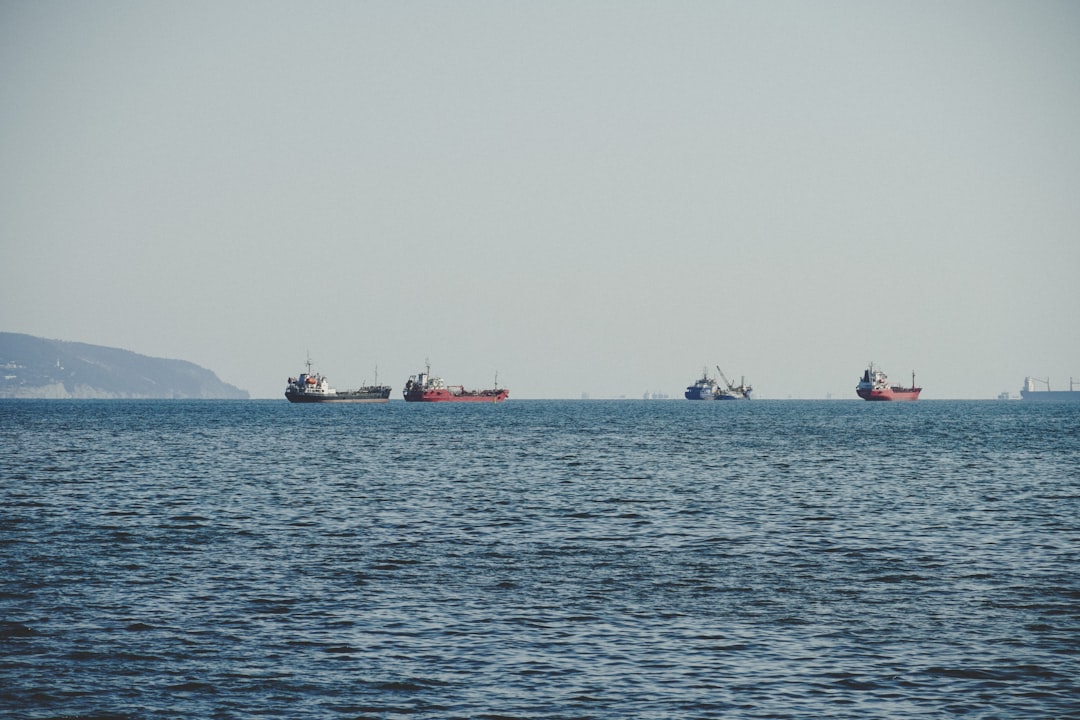
Seventeen million barrels of oil crossed the Strait of Hormuz on Monday. Energy Secretary Chris Wright called it the most since the war started in February — and he announced it the same week the US military launched its second wave of strikes on Iran in three days. Gold fell anyway.
That’s not a typo. Oil flow at its highest point of the war, missiles flying, and gold is down. If you’re still trading on the assumption that war equals a gold rally, this market has been trying to tell you something for weeks.
The Number the Administration Wants You to Notice
Wright’s 17 million barrels is a real figure, and it’s a big one — Hormuz normally carries around 20 million barrels a day, roughly a fifth of global oil demand, so Monday’s flow was nearly back to pre-war levels once you add the 4-5 million barrels a day that move by pipeline around the strait instead of through it.
It’s also a figure worth a raised eyebrow. Wright made a similar claim in August — a seven-day average near 9 million barrels a day — that outside analysts disputed, pegging the real number closer to 4-6 million. Governments touting supply-chain resilience during a war they’re actively fighting have an incentive to round up. Doesn’t mean he’s wrong. Means you shouldn’t take one official’s number as gospel, which is exactly the discipline this site tries to hold itself to.
The War Didn’t Pause for the Data
CENTCOM’s own numbers tell the other half of the story: the same week Wright was touting near-normal oil flow, the US carried out its second strike wave on Iran in three days, hitting air defense, radar, and mine-laying assets near the strait. Iran’s Revolutionary Guard responded with missile and drone attacks on regional targets, prompting air-defense alerts in Kuwait and Bahrain. The IRGC’s own statement: the operation “will continue as a lesson against the Americans until they regret their crime.” This is not a de-escalating war.
And gold still slipped Wednesday morning, trading around $4,357 an ounce — down about 0.4% from Tuesday’s close of $4,377. Silver fell harder — down roughly 1% on the day to the $64 range, its lowest level in two weeks.
What’s Actually Driving the Tape
It’s not the war. It’s Jerome Powell’s successor. CME FedWatch now shows a 66% probability the Fed hikes rates this month, up from odds that favored no move at all a week ago. Ten-year Treasury yields near 4.79% make non-yielding metal more expensive to hold, and a firmer dollar makes it more expensive for everyone outside the US to buy. That combination is beating a live shooting war for control of the world’s most important oil chokepoint. Sit with that.
What This Means for Stackers
The market is telling you, loudly, that rate expectations are the dominant force in gold and silver right now — not headlines out of the Gulf. That’s useful information: it means the next real catalyst for this metal isn’t going to come from CENTCOM’s press releases, it’s going to come from the September Fed decision. Watch that date, not the war ticker. And keep buying on your schedule — the whole point of dollar-cost averaging into physical is that you don’t have to correctly predict which of these two stories wins this month.
Sources
- Energy Secretary Chris Wright tells CNBC more than 17 million barrels of oil transited Hormuz on Monday — Washington Examiner
- Iran live updates: After launching strikes, US warns of escalation if Iran responds — ABC News
- Gold price today, Wednesday, September 2, 2026: Gold slips further as military actions escalate in Iran — Yahoo Finance
- Silver price today, Wednesday, September 2, 2026: Silver prices fall further following second wave of attacks — Yahoo Finance
- CME FedWatch Provides A 66% Chance Fed Will Hike Rates In September — Forbes