gold · silver · news
The Mint's New Coin Has a Mintage of 5,000. The Premium Is 35%.
The Mint's new palladium eagle caps out at 5,000 coins and sells for 35% over the metal inside it — a lesson in what 'limited' actually costs.
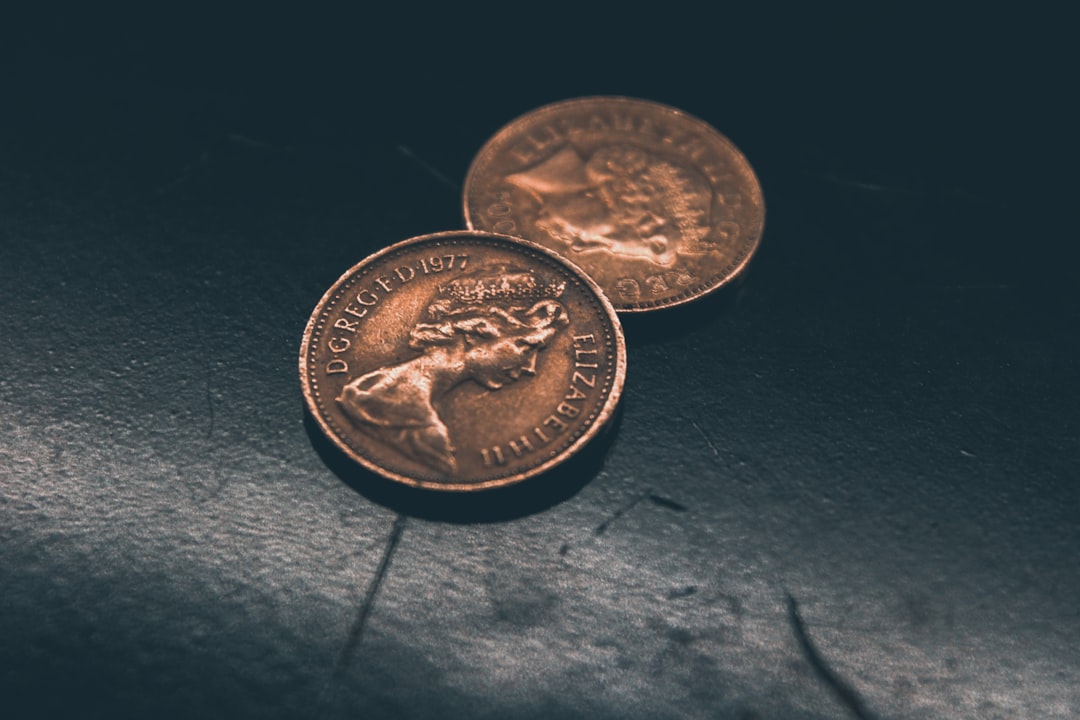
The U.S. Mint released a coin Thursday with an authorized mintage of just 5,000 — fewer than every prior release in the nine-year history of the American Palladium Eagle except one. It’s selling for $1,895. The palladium inside it was worth $1,408.53 an ounce as of Saturday morning. Do the math: that’s a 35% markup on a coin with a $25 face value, made from a metal most Americans couldn’t pick out of a lineup.
This is a mint news story. It’s also a masterclass in how “limited” gets monetized.
A Series Nobody Talks About Just Got Its Tightest Cap
The 2026-W Uncirculated Palladium Eagle went on sale at noon ET on September 3, carrying dual dates of 1776 and 2026 and a Liberty Bell “250” privy mark for the nation’s semiquincentennial. It’s one troy ounce of .9995 fine palladium, struck at West Point, with an initial household limit of one coin.
Compare that to the series’ debut. When the Mint first struck a palladium eagle in 2017, it authorized 15,000 bullion coins — and sold out on day one. This year’s cap is a third of that. CoinNews reports the only Palladium Eagle in the series’ history with a lower final count is last year’s 2025-W Reverse Proof, which the Mint pulled after sales stalled at just 3,991 coins — a flop, not a sellout. This year’s 5,000-coin authorization is a deliberate scarcity play from the Mint, not a response to demand that’s already been proven.
The Premium Is the Actual Story
Here’s the number that matters more than the mintage: $1,895 against a spot price of $1,408.53 is a 34.5% premium over melt value. The price floats weekly off the Mint’s own precious-metals pricing matrix, but the opening ask tells you what a tight mintage cap is worth to the people selling it — a lot, immediately, before a single coin has changed hands twice.
That’s the same mechanic every stacker already pays on a Silver Eagle or Gold Buffalo, just more nakedly priced here. A government mint stamping a metal doesn’t create value — it creates a story, and the story is what supports the premium. Palladium has no jewelry demand, no meaningful retail collector base built up over decades the way gold and silver do. It’s about as pure a test as you’ll get of whether “limited edition” alone can carry a 35% markup.
What This Means for Stackers
Nobody reading this should be shopping for a $1,895 palladium collectible — it sits outside the gold-and-silver allocation most of you are actually building, and chasing a one-year mintage number is speculation dressed up as scarcity. The real takeaway is the discipline it should reinforce: check the premium over spot on every purchase, every time, regardless of the metal or the marketing copy on the box. “Lowest mintage ever” is a sales pitch. The percentage over melt is the price you’re actually paying. Know the difference before you check out.